How to run a safe queer event… when everyone else is cancelling
GUEST POST
I have stood across the street from neo-Nazi more than once. I came out in London in the mid-eighties when bands of skinhead thugs and National Front bully-boys would march alongside the pride parades spitting abuse and yelling sieg heil.
I was young, in my early twenties, coming out into a world that was vastly different to the one I’m living in today, but that threat — of masked black-clad men in steel-capped boots — has been around for decades — it is just more and less visible, more and less prevalent.
I’ve learnt a lot since those early days about how we live with that threat and about what makes me and my community feel safe. Right now, we’ve just finished up Pride month, a celebration of queer identity and resistance that marks the historic Stonewall riots when, for the very first time in history, queer people were seen in numbers on the streets.
On that day in 1969, we became visible; that’s the importance of Stonewall and of Pride month and, since then, that visibility has been the cornerstone of our freedom. It’s very simple: if we are not visible, if we can’t be seen, we don’t exist — neither to the world, nor to ourselves.
Our events — rainbow balls, drag story times, glitter bingo nights — are about visibility. They are where we see others like us, and where we connect and build community. They are where our young people see the versions of themselves that survived high school; where they see a range of queer people living ordinary, productive lives with partners, kids, lovers, jobs, families and friends.
So, we need people to stop cancelling them.
Now, I know that’s easier said than done, that there are complexities and challenges, and I’m not suggesting there’s a simple solution, but here’s the thing.
Last month, I participated in an event that involved bringing a hundred plus queer young people from all around rural and regional Victoria to a central Melbourne location for a full day of activities with twenty leading LGBTIQ advocates. It was carefully advertised and ticketed, met all Child Safe Standards, had effective security, including a low-key queer police presence. And, it went off without a hitch.
It sent a huge message to those young people that their community sees them, has their back, and will continue to make them safe despite what they see on TV and social media. For those kids, it was a rare day of connection and celebration; they felt proud, hopeful, and part of a community, and all that helps to inoculate them against the hate.
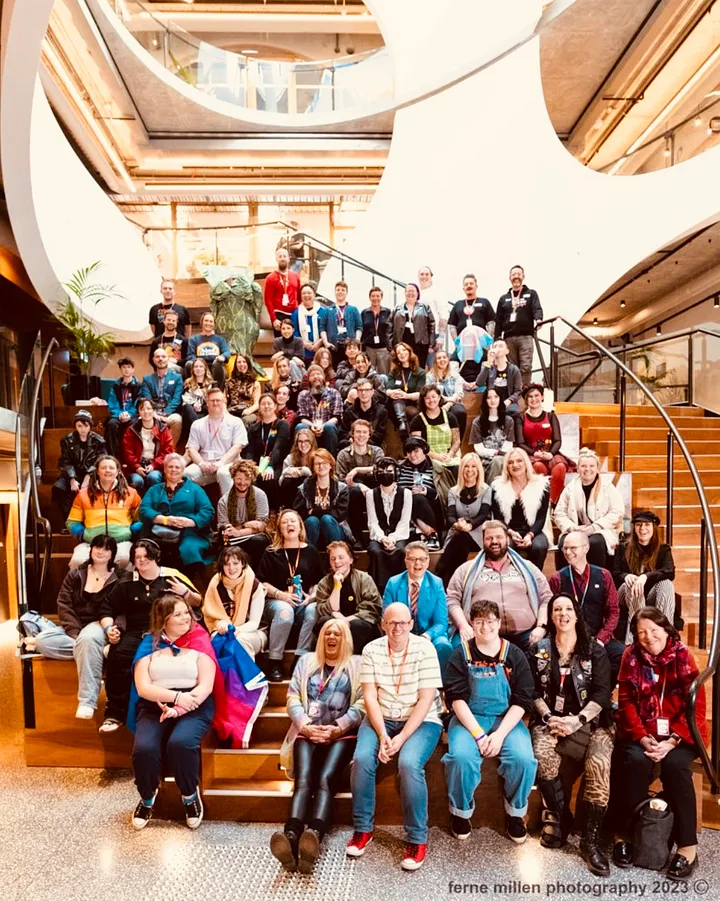
The event was the brain-child of Merrin Wake, a leading advocate who works with queer young people, particularly in rural and remote areas. Wake is also an expert in child safety and the success of the day is a very clear indication that it is possible to run LGBTIQ events successfully and safely in Victoria right now.
So if you’re in the business of running community events and you’re thinking about organising something for the LGBTIQ community, either for kids or adults — or for any other minority, vulnerable or threatened group for that matter — here’s a few things to include in your thinking. They’re not all necessary for every event, of course, but I’m hoping they’ll put a break on the current trend of cancelling events for our ‘safety’.
First, please, take a breath. Run a risk assessment for holding the event. Focus on your immediate local community, not what you’ve read in the paper. Consult with all your stakeholders and make sure that includes queer representatives. Contact your local Victorian Police LGBTIQ+ Liaison Officer and get the most up to date, regional intel and advice. Liaise with other similar organisations in your area and find out what they’re doing. Create a network with them and share those ideas and strategies. Talk to queer community groups supporting the safe running of events.
Identify risk mitigation strategies. Think about the language you use (maybe rainbow rather than drag for the time being) and about how you advertise. Be strategic and creative about ticketing and promotion. Use personal and trusted networks rather than large public platforms. Take the time to follow up with individual enquires and use a private link for registrations.
Brief your workers and volunteers well before the event. Give them an opportunity to talk through their concerns. Provide details of support and counselling services for both your queer and non-queer staff. Remind them of your Employee Assistance Programs (did you know there is LGBTIQ specific EAP?). Set up safe spaces for people during the event and provide extra mental health support and opportunities for de-briefing if required. Review Working with Children Checks and think about your adult to child ratios.
Pay attention to your security. Check in with your local police station and LGBTIQ+ Liaison Officers in the early planning stages. They can help you develop a safety plan to manage different threat levels. Work with your communications team to develop a strategy for managing and monitoring your social media. If you experience negative commentary or hate speech, contact the eSafety Commissioner or your local police.
Employ on-site security for your event to keep an eye on the door or the surrounding environment. Have a list of expected attendees, provide staff with lanyards, and issue wrist bands to participants. Identify key personnel and give them walkie talkies for ease of quick communication, and have contact details of local police to hand.
Then if you’ve done all that, and you still think the easiest option is to put it in the too hard basket, run a second risk assessment on cancelling the event. Ask yourself: What impact will cancelling have on our local LGBTIQ community, especially young people? How will it affect other vulnerable or marginalised communities in our area? What message will it send to the people threatening the event? What happens if, next, they threaten the Jewish community, or target the local mosque, or attack people of colour? What about our multi-cultural celebrations? Will we cancel them, too? And are we still going to run NAIDOC events to support and celebrate our Aboriginal and Torres Strait Islander peoples?
Finally, and most importantly, think about the immediate impact of not running the event on the people for whom it was originally intended. In most cases, these events are cancelled because organisers don’t want queer people, especially young people, to witness overt aggression and hostility, to be exposed to vitriol and hate, to feel fearful or scared.
But none of this is new to our young people. Sadly, many of them experience this in their everyday lives; all of them experience it via social media — just talk to any young queer person you know — or any adult queer person for that matter. What they actually need is for the rest of us to acknowledge that reality and they need to see safe adults standing up for them and pushing back against the hate.
Yes, the risk of running these events can be high, but the risk of not running them is far higher. That young person who was going to the rainbow ball or the glitter bingo is instead sitting in their room at home scrolling through Discord by themselves knowing that hate just won again. Cancelling these events will never make it safer for us, nor for whichever marginalised group those emboldened neo-Nazis come for next.
- This article first appeared on Jac’s medium and has been republished with permission.
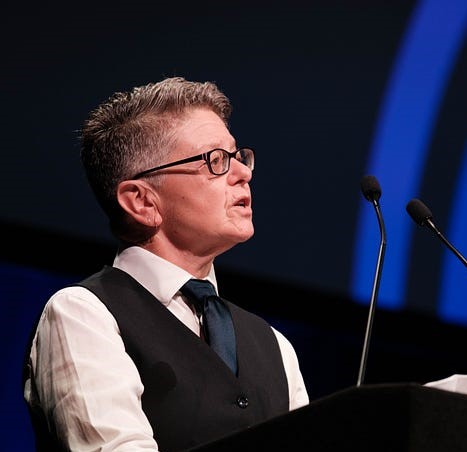
Jac Tomlins has published books, feature articles and resources on a range of topics for both LGBTIQ and mainstream media over 30 years. @jactomlins
VCOSS is the peak body for Victoria’s social and community sector, and the state’s premier social advocacy body.
We work towards a Victoria free from poverty and disadvantage, where every person and community experiences genuine wellbeing. Read more.

VCOSS acknowledges the Traditional Owners of Country, and we pay respect to Elders and Ancestors. Our business is conducted on sovereign, unceded Aboriginal land. The VCOSS offices are located on Wurundjeri Woiwurrung land in central Naarm.